English
 Bangla
 Arabic






















Details description |
|---|
|
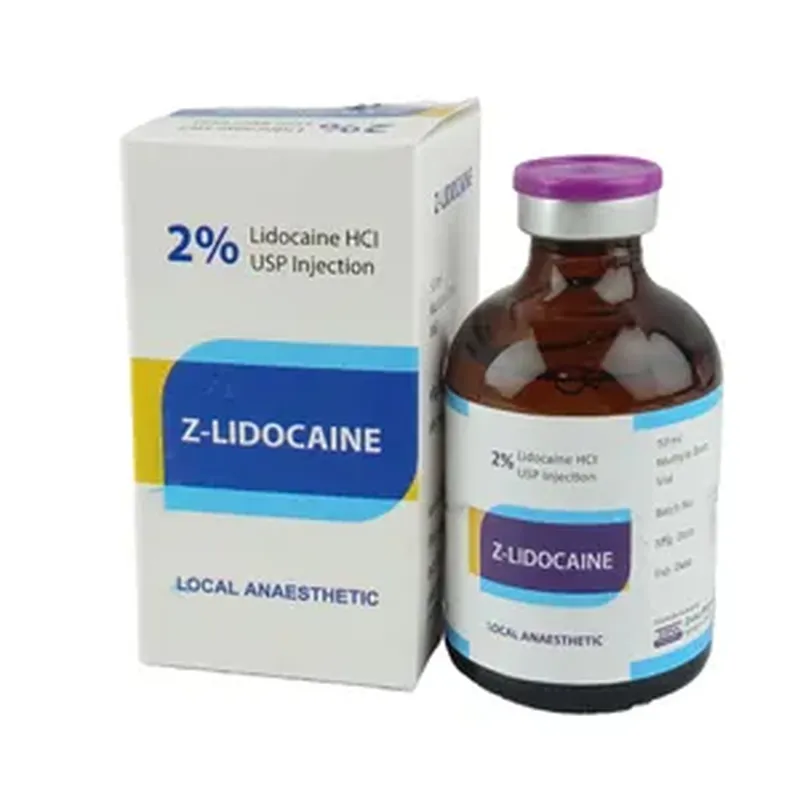
Z-Lidocaine - Injection
Lidocaine (Lignocaine) Hydrochloride - 2%
1 50ml(s) / 50ml
Ziska Pharmaceuticals Ltd.
Introduction: Z-Lidocaine is a local anesthetic used to temporarily numb certain areas of the body. It is used as an anesthetic lubricant to insert of instruments in the human body for medical procedures (e.g., catheters). It is also used for the treatment of symptoms of painful inflammation of the urethra and bladder. The most common side effects of this medicine include redness, rash, burning and itching on the area of application. These are usually mild and short-lived. Consult your doctor if any of the side effects persist or worry you. Before using it, tell your doctor if you have liver disease...
Uses of Z-Lidocaine: Local anesthesia (Numb tissues in a specific area)
Side effects of Z-Lidocaine: Allergic reactionApplication site reactions (burning, irritation, itching and redness)
How to use Z-Lidocaine: Hold the container with the extension tube aimed at the area of application. To spray, press the button. Allow a 2 second gap between two consecutive sprays. Use it as advised by your doctor or also check the label for directions before use.
How Z-Lidocaine works: Z-Lidocaine is a local anesthetic. It works on the skin by blocking pain signals from the nerves to brain. This numbs the area and decreases pain sensation.
Indication: Ventricular arrhythmias, Haemorrhoids, Sympathetic nerve block, Peripheral nerve block, Perianal pain and itching, Ventricular fibrillation or ventricular tachycardia, Epidural anaesthesia, Spinal anaesthesia, Regional anaesthesia, Surface anaesthesia, Pupil dilatation
Administration: IV Preparation Add 1-2 g of lidocaine hydrochloride to 1 L of D5W making 1-2 mg/mL solution; use (using 5-10 mL of 20% inj soln); may also use 400 mg/100 mL in D5W or 800 mg/100 mL in D5W 8 mg/mL concentrations have been recommended for fluid-restricted pts
Adult Dose: Intravenous Ventricular Arrhythmias 1-1.5 mg/kg slow IV bolus over 2-3 minutes May repeat doses of 0.5-0.75 mg/kg in 5-10 minutes up to 3 mg/kg total Continuous infusion: 1-4 mg/min IV Regional Anesthesia (IV) 4 mg/kg Parenteral Sympathetic nerve block Adult: As 1% soln: 50 mg for cervical block or 50-100 mg for lumbar block. Epidural Epidural anaesthesia Adult: 2-3 mL administered for each dermatome to be anaesthesised. Recommended doses are: Lumbar epidural 250-300 mg (as 1% soln) for analgesia and 225-300 mg (as 1.5% soln) or 200-300 mg (as 2% soln) for anaesth; for thoracic epidural: 200-300 mg (as 1%...
Child Dose: Ventricular Arrhythmias Bolus: 0.5-1 mg/kg IV/IO/ET, not to exceed 100 mg; follow with continuous infusion; if delay between bolus and start of infusion is >15 minutes, administer a second bolus q5-10min to 5 mg/kg, THEN Continuous infusion: 20-50 mcg/kg/min IV
Contraindication: Hypovolaemia; heart block or other conduction disturbances.
Mode of Action: Lidocaine is an amide type local anaesth. It stabilises the neuronal membrane and inhibits Na ion movements, which are necessary for conduction of impulses. In the heart, lidocaine reduces depolarisation of the ventricles during diastole and automaticity in the His-Purkinje system. Duration of action potential and effective refractory period are also reduced.
Precaution: Hepatic or renal impairment; CHF and following cardiac surgery; bradycardia; respiratory depression; porphyria; elderly or debilitated patients; pregnancy. Lactation: crosses into breast milk, use caution
Side Effect: Common Cardiovascular: Hypotension Dermatologic: Edema, erythema at injection site, petechiae, skin irritation Gastrointestinal: Constipation, Nausea, vomiting Neurologic: Confusion, dizziness, headache, paresthesia, somnolence, tremor Other: Irritation symptom, Topical products; ie, erythema, edema Serious Cardiovascular: Cardiac arrest, cardiac dysrhythmia Hematologic: Methemoglobinemia Neurologic: Seizure Anaphylactoid reactions Malignant hyperthermia Potentially Fatal: Hypotension and bradycardia leading to cardiac arrest; anaphylaxis.
Interaction: May increase serum levels w/ cimetidine and propranolol. Increased risk of cardiac depression w/ ?-blockers and other antiarrhythmics. Additive cardiac effects w/ IV phenytoin. Hypokalaemia caused by acetazolamide, loop diuretics and thiazides may antagonise effect of lidocaine. Dose requirements may be increased w/ long-term use of phenytoin and other enzyme-inducers.
|

No review yet!



LIVE SHOP
(0)
14680 Products
0%
Positive review