 English
 Bangla
 Arabic





















Details description |
|---|
|
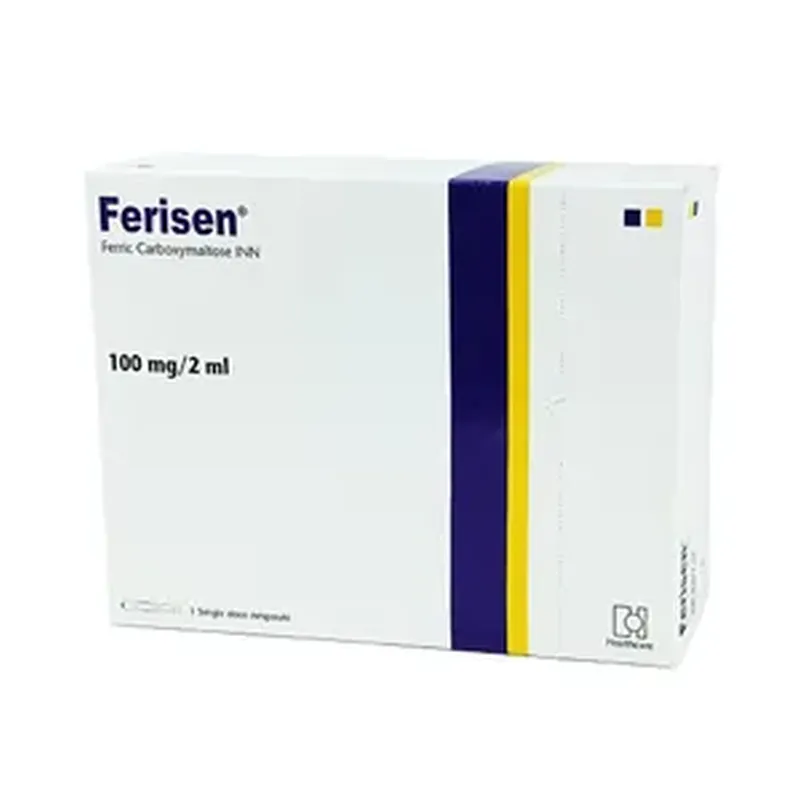
Ferisen - Injection
Ferric Carboxymaltose - 100mg/2ml
1 Injection(s) / Injection
Healthcare Pharmaceuticals Ltd.
Introduction: Ferisen is an iron replacement medicine. It is used to treat a type of anemia where you have fewer amount of red blood cells due to insufficient iron in your body (iron-deficiency anemia). Iron is needed to produce the red blood cells that carry oxygen around your body. Ferisen is given by injection or infusion (saline drip) into a vein by your doctor or nurse. You will be watched carefully to make sure you do not have an allergic reaction. It is usually given as two doses, seven days apart. Your doctor will decide how much and how often you...
Uses of Ferisen: Iron deficiency anemia
Side effects of Ferisen: Injection site reactions (pain, swelling, redness)NauseaVomitingDark colored stoolHeadache
How to use Ferisen: Your doctor or nurse will give you this medicine. Kindly do not self administer.
How Ferisen works: Ferisen is an anti-anemic medication. It replenishes the iron stores in your body. Iron is vital for the formation of new red blood cells and hemoglobin, a substance that gives these cells the ability to transport oxygen.
What if you forget to take Ferisen?: If you miss a dose of Ferisen, please consult your doctor.
Indication: Iron deficiency anemia
Administration: IV Preparation For IV infusion, dilute in up to 250 mL 0.9% NaCl; resulting concentration should be >2 mg/mL IV Administration IV push: May administer undiluted at rate of 100 mg/minute IV infusion: Dilute dose in up to 250 mL 0.9% NaCl and infuse over at least 15 minutes
Adult Dose: Injection Iron-deficiency Anemia Indicated for treatment of iron deficiency anemia (IDA) in adults who have intolerance or an unsatisfactory response to oral iron; also indicated for IDA in adults with nondialysis dependent chronic kidney disease >50 kg: 750 mg IV once, follow 7 days later with second 750 mg dose; not to exceed cumulative dose of 1500 mg per course <50 kg: 15 mg/kg IV once, follow 7 days later with second dose; not to exceed 1500 cumulative dose per course
Child Dose: Safety and efficacy not established
Contraindication: Hypersensitivity to any of its components.
Mode of Action: Non-dextran, IV is a colloidal iron hydroxide in complex with carboxymaltose, a carbohydrate polymer that releases iron; replaces iron stores found in hemoglobin, myoglobin, and enzymes; works to transport oxygen via hemoglobin Macrophage engulf FCM from blood and control iron release. Transferrin saturates and , Iron into the liver, spleen and Bone marrow.
Precaution: Hypersensitivity Reactions Serious hypersensitivity reactions, including anaphylactic-type reactions, some of which have been life-threatening and fatal, have been reported in patients receiving Ferric carboxymaltose. Patients may present with shock, clinically significant hypotension, loss of consciousness, and/or collapse. Monitor patients for signs and symptoms of hypersensitivity during and after Ferric carboxymaltose administration for at least 30 minutes and until clinically stable following completion of the infusion. Only administer Ferric carboxymaltose when personnel and therapies are immediately available for the treatment of serious hypersensitivity reactions. Other serious or severe adverse reactions potentially associated with hypersensitivity which included, but not limited to, pruritus,...
Side Effect: 1-10% Nausea (7.2%),Hypertension (3.8%),Flushing (3.6%),Decreased blood phosphorus (2.1%),Dizziness (2%),Vomiting (1.7%),Pruritus (1.5%),Rash (1.5%),Urticaria (1.5%),Wheezing (1.5%),Injection site discoloration (1.4%),Headache (1.2%),Increased alanine aminotransferase (1.1%),Dysgeusia (1.1%),Hypotension 1%) <1% Constipation (0.5%),Serious anaphylactic/anaphylactoid reactions (0.1%)
Pregnancy Category Note: Pregnancy Studies on use in pregnant women have not reported adverse developmental outcomes; however, these studies cannot establish or exclude absence of any drug-related risk during pregnancy because studies were not designed to assess for risk of major birth defects; there are risks to mother and fetus associated with untreated iron deficiency anemia (IDA) in pregnancy Untreated iron deficiency anemia (IDA) in pregnancy is associated with adverse maternal outcomes such as post-partum anemia; adverse pregnancy outcomes associated with IDA include increased risk for preterm delivery and low birth weight Lactation Available published data on use of ferric carboxymaltose in lactating...
|

No review yet!





LIVE SHOP
(0)
14680 Products
0%
Positive review