English
 Bangla
 Arabic






















Details description |
|---|
|
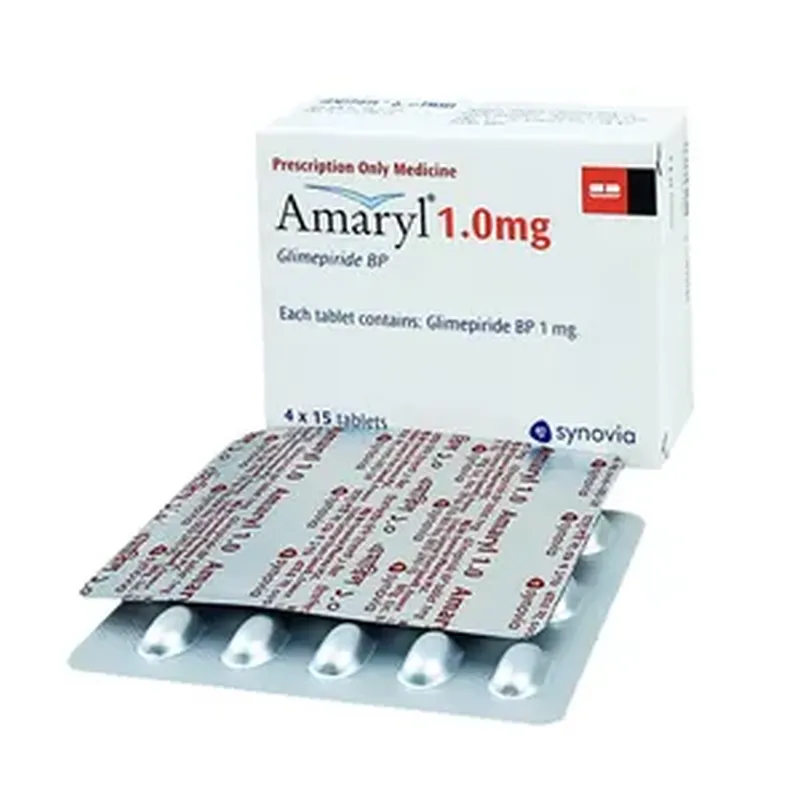
Amaryl 1 - Tablet
Glimepiride - 1mg
15 Tablet(s) / Strip
Synovia Pharma PLC.
Introduction: Amaryl 1 is a medicine used to treat type 2 diabetes mellitus in adults. It belongs to a group of medicines called sulfonylureas and helps control blood sugar levels in people with diabetes. This helps to prevent serious complications of diabetes like kidney damage and blindness. Amaryl 1 may be used alone or along with other medicines. It should be taken just before or with the first meal of the day. Take it regularly at the same time each day to get the maximum benefit. Your doctor will decide what dose is best for you and this may change from...
Uses of Amaryl 1: Type 2 diabetes mellitus
Side effects of Amaryl 1: Hypoglycemia (low blood glucose level)HeadacheNauseaDizziness
How to use Amaryl 1: Take this medicine in the dose and duration as advised by your doctor. Swallow it as a whole. Do not chew, crush or break it. Amaryl 1 is to be taken with food.
How Amaryl 1 works: Amaryl 1 is an antidiabetic medication. It works by increasing the amount of insulin released by the pancreas in order to lower blood glucose.
What if you forget to take Amaryl 1?: You should skip a dose of Amaryl 1 if a meal is skipped, and add a dose of medicine if you eat an extra meal.
Indication: Type 2 DM
Administration: Should be taken with food. Take immediately before or during breakfast, or the 1st main meal of the day. Do not skip meals.
Adult Dose: Oral Type 2 diabetes mellitus Adult: Initially, 1-2 mg daily. May be increased in increments of 1-2 mg at intervals of 1-2 wk. Maintenance: 4 mg daily. Max: 6 mg daily. Elderly: Initially, 1 mg once daily. Hepatic impairment: Severe: Contraindicated.
Child Dose: Safety and efficacy not established
Renal Dose: Renal impairment: 1 mg PO qDay; titrate dose based on fasting blood glucose levels Severe: Contraindicated.
Contraindication: Diabetic ketoacidosis with or without coma.
Mode of Action: Glimepiride stimulates the insulin release from pancreatic beta-cells and reduces glucose output from the liver. It also increases insulin sensitivity at peripheral target sites.
Precaution: Increased risk of CV mortality. Elderly; hepatic and renal impairment. Syndrome of inappropriate secretion of antidiuretic hormone (SIADH) in patients with CHF or hepatic cirrhosis. Monitor blood-glucose concentration. Pregnancy, lactation. Lactation: Excretion in milk unknown; avoid
Side Effect: >10% Hypoglycemia (4-20%) 1-10% Dizziness (1.7%),Asthenia (1.6%),Headache (1.5%),Nausea (1.1%) <1% Allergic skin reactions,Erythema,Morbilliform or maculopapular eruptions,Pruritus,Urticaria,Diarrhea,Gastrointestinal pain,Vomiting,Agranulocytosis,Anemia,Aplastic anemia,Leukopenia,Pancytopenia,Thrombocytopenia, hemolytic,Cholestasis,Elevation of liver enzyme levels,Hepatic porphyria reactions,Jaundice (rare),Disulfiram-like reactions,Hyponatremia
Interaction: Salicylates, sulfonamides, chloramphenicol, clarithromycin, coumarin anticoagulants, probenecid, CYP2C9 inhibitors, fibric acid derivatives, disopyramide, fluoxetine, quinolones, ACE inhibitors, MAOIs and ?-blockers may potentiate the hypoglycaemic action of glimepiride. Thiazides and other diuretics, corticosteroids, phenothiazines, thyroid products, oestrogens, phenytoin, nicotinic acid, sympathomimetics and CYP2C9 inducers may reduce hypoglycaemic effect of glimepiride. Reduced plasma concentration w/ colesevelam.
|

No review yet!



LIVE SHOP
(0)
14680 Products
0%
Positive review